How to Spot Wood Rot Early: February Inspection Checklist for Homeowners
Protecting your home’s exterior wood features is a year-round responsibility, but February in Indiana presents the perfect opportunity for a thorough wood rot inspection. The end of winter often reveals the early signs of moisture damage that can sneak up on Indianapolis homeowners. Detecting and tackling wood rot now means your decks, fences, docks, and patios are ready for spring gatherings and family events.
At Premier Deck Coating, we understand the unique climate stresses faced by local wood structures, and we’re here to guide you through an efficient, seasonally relevant inspection.
Why Early Detection of Wood Rot Matters in Indiana
Wood rot isn’t just an eyesore—it threatens the safety, value, and longevity of your property. Indiana’s winter freeze-thaw cycles put added stress on untreated or aging wood, making regular inspections even more important in our region. Discovering wood rot in February gives you time to book repairs, maintenance, or protective coatings well before the busy spring season.
What Does Early Wood Rot Look Like?
Early-stage wood rot is difficult to spot but much easier and less costly to fix if caught quickly. Here’s what to look for during your inspection:
- Discoloration: Wood turning darker, yellow, or greenish in isolated patches
- Texture Changes: Softness, crumbling, or a spongy feel to the touch
- Unpleasant Odor: Musty or damp smells near wooden structures
- Surface Growth: Mold, mildew, or fungi around edges and joints
- Peeling or Flaking: Old paint or coatings that seem to be lifting or bubbling.
February Inspection Checklist for Homeowners
Preparation is key. Grab a flashlight, screwdriver, and camera before heading outside. Focus on all exposed wood—including decks, fences, dock boards, railings, and patio features. Here’s a bullet point checklist for an efficient walkthrough:
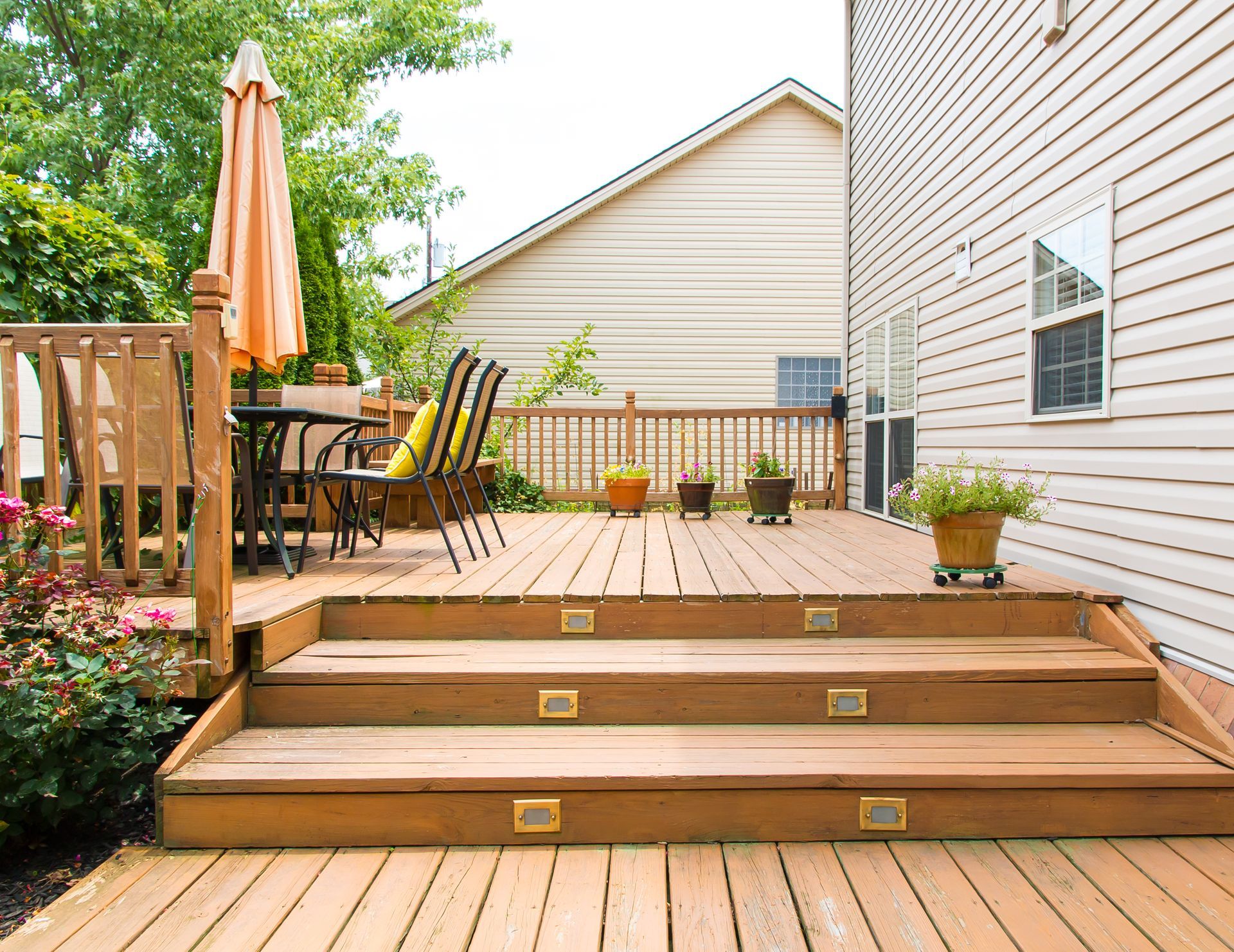
- Decks
- Press gently on boards and railings to detect softness or give
- Check for standing water in between deck boards
- Look for splintering or discoloration in the corners and under the stairs.
- Fences
- Inspect posts where they meet the ground for damp, soft, or greenish wood
- Notice any leaning, loose boards, or surface mold.
- Docks and Patios
- Pay close attention to edges near water or landscaping
- Test for wood that crumbles under gentle pressure
- Identify hardware rust or corrosion, a sign of prolonged dampness.
Professional Insight: Indianapolis Homeowners’ Top Wood Rot Risks
Based on our experience servicing decks in Indianapolis, Carmel, Fishers, and the wider Indiana area, the most common early rot risks include:
- Poor drainage around decks and fences, leading to standing water
- Shade from dense trees, preventing effective wood drying
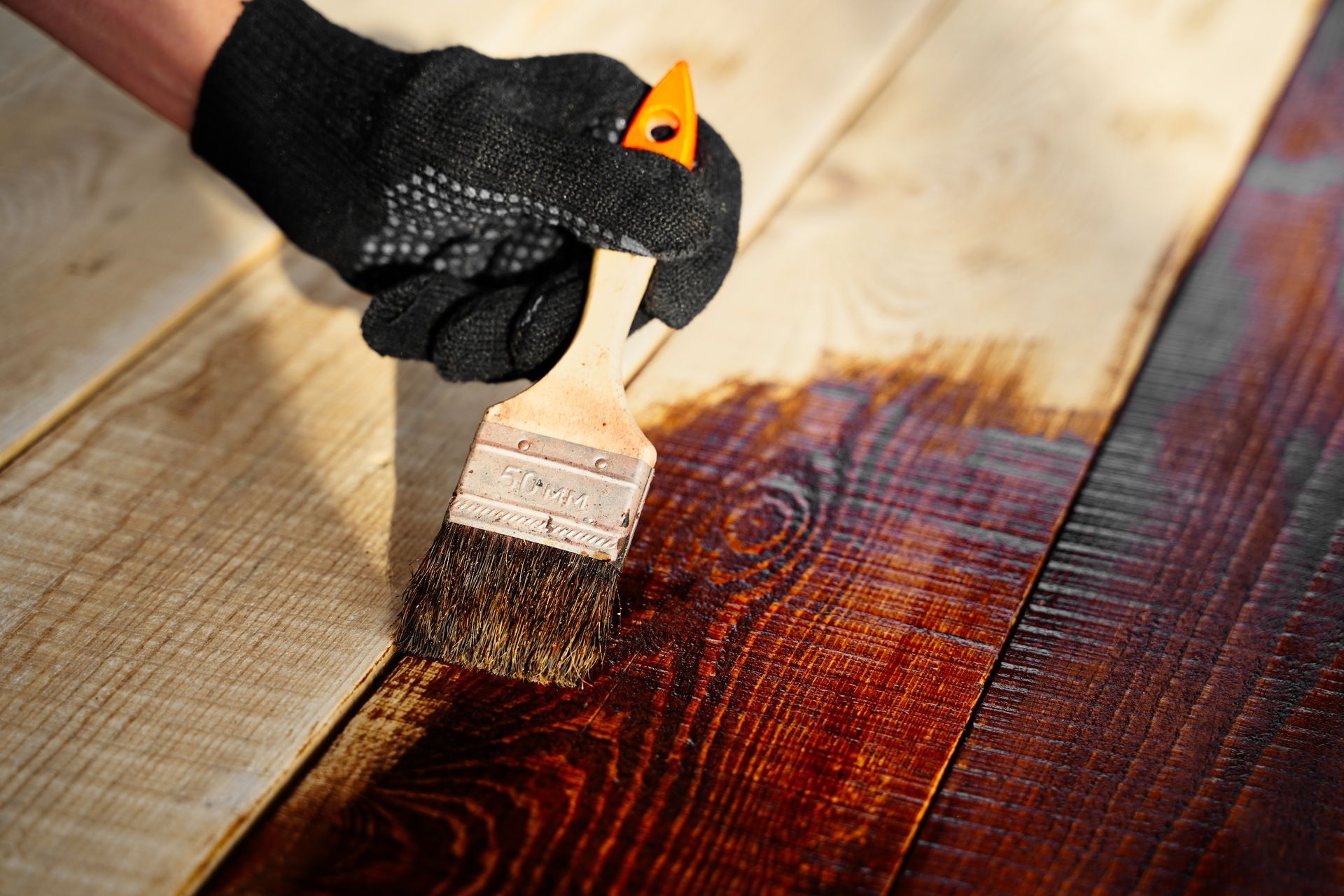
- Inadequate existing coatings or expired sealants
- Snow and ice buildup along the dock or deck edges.
Holiday & Seasonal Readiness—Why February Is Critical
Post-Valentine’s Day is a great time to show your home some love. With each passing week, the outdoor entertaining season draws closer. Scheduling repairs or a fresh deck coating now means your property will shine for spring-break barbecues or those first sunny weekends in April.
How Premier Deck Coating Can Help
If your inspection reveals signs of wood rot—or you’re unsure if what you’ve found is benign or dangerous—Premier Deck Coating can help. Our elastomeric wood coatings, developed with advanced ceramic technology, offer unmatched protection and rejuvenation for Indiana homes and businesses. We’ll tailor our services to your needs, whether it’s spot repairs, a complete re-coating, or preventative treatments for any wood surface.
Ready to Protect Your Home?
Now’s the ideal time to halt wood rot and prepare your yard for the spring rush. Contact Premier Deck Coating today for a complimentary consultation and let our experts safeguard your wooden decks, docks, fences, and patios against Indiana’s unpredictable weather.
Share This Blog